

Quick answer
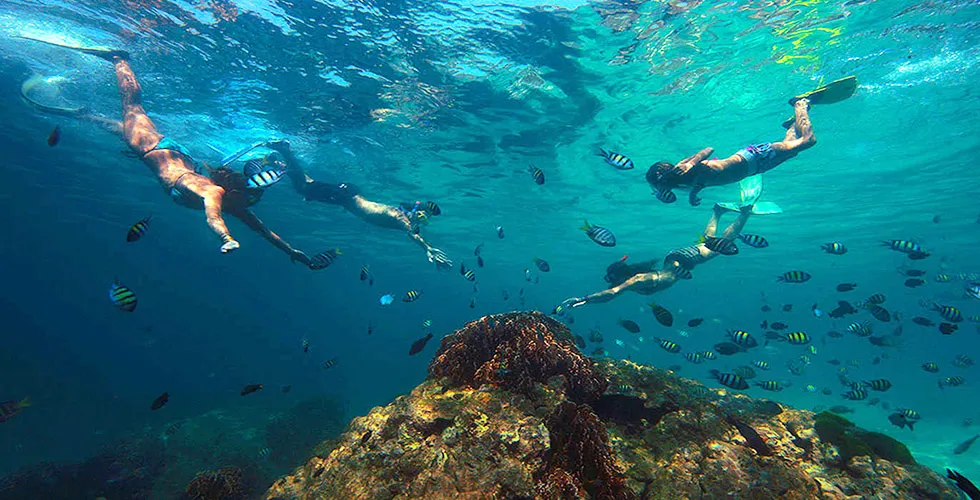
The main phi phi snorkeling spots include Maya Bay's shallow coral gardens, Shark Point's deeper channels east of Koh Phi Phi Don, Bamboo Island's north-shore reef, Hin Klang pinnacle, and the accessible house reef at Long Beach. All national park marine zones require a 200 THB conservation fee per person. Sites open daily from 08:00 to 16:30, with the clearest water and lowest boat traffic between 08:00 and 10:00.
Ninety percent of Phi Phi's underwater landscape sits within Hat Noppharat Thara-Mu Ko Phi Phi National Park boundaries, which means every reef, wall, and coral garden accessible by snorkel falls under the same permitting structure. The 200 baht conservation fee grants access to all marine zones for the day, but boat operators choose routes based on swell direction, current strength, and whether Maya Bay's daily visitor cap has been reached. The reefs themselves divide into shallow platform sites and deeper pinnacle drops. Maya Bay and Loh Samah Bay on Phi Phi Leh's western flank offer two-to-four-meter depths over staghorn and brain coral, suitable for beginners and photographers who prefer controlled conditions. Shark Point and Hin Klang, positioned in open water between the two main islands, feature vertical walls that descend past snorkeling range, attracting blacktip reef sharks and schools of fusiliers in the upper water column. Bamboo Island's north shore presents the largest continuous shallow reef, extending 200 meters from the beach with hard coral coverage above 50 percent in surveyed transects. Timing determines visibility more than location. Morning departures between eight and ten benefit from offshore wind patterns that flatten the surface and reduce suspended sediment. By midday, longtail traffic from Tonsai Bay and tour boats cycling through popular bays churn the water column, dropping horizontal visibility from fifteen meters to under eight. The park's 16:30 closure forces most operators to begin return runs by three in the afternoon, creating a brief late-day window of clearing water before light fades. Access logistics vary by shoreline versus boat-only sites. Long Beach on Phi Phi Don's eastern coast allows walk-in snorkeling from the beach over a shallow house reef, with no boat fee required beyond the park conservation charge if you swim out independently. All Phi Phi Leh locations and offshore pinnacles require chartered longtail or join-in speedboat service, typically bundled as multi-stop circuits rather than single-site drops.
“Morning departures between eight and ten benefit from offshore wind patterns that flatten the surface and reduce suspended sediment.”
Optimal Timing for Phi Phi Snorkeling Spots
The best arrival window is 08:00–10:00 to avoid peak mid-day crowds and boat traffic for better water clarity. Planning your visit during this early period ensures a calmer experience at popular snorkeling sites.
November to April
Low boat trafficDry season, 28-32°C
This period offers the calmest seas and highest underwater visibility. Conditions are ideal for snorkeling due to minimal rainfall and light winds.
May to October
Moderate to highMonsoon season, 25-30°C
Expect occasional rain showers and rougher seas. Some sites may be inaccessible during periods of high wind or strong currents.
Weekday mornings
Minimal—
Early arrivals effectively separate you from the bulk of regional day-trip boat traffic. This window provides the clearest water before the daily surge of visitors.
Verdict: The optimal time for visiting Phi Phi snorkeling spots is between November and April, specifically arriving between 08:00 and 10:00 on weekdays.
Daily Operating Hours for Phi Phi Snorkeling Spots
The snorkeling spots within the Phi Phi Islands national park area maintain consistent daily operating hours throughout the week.
| Monday | 08:00–16:30 | |
|---|---|---|
| Tuesday | 08:00–16:30 | |
| Wednesday | 08:00–16:30 | |
| Thursday | 08:00–16:30 | |
| Friday | 08:00–16:30 | |
| Saturday | 08:00–16:30 | |
| Sunday | 08:00–16:30 |
Key Locations Among Phi Phi Snorkeling Spots
The Phi Phi Islands feature diverse underwater topography ranging from shallow coral gardens to steep reef walls. These locations provide access to varied marine ecosystems within the Hat Noppharat Thara-Mu Ko Phi Phi National Park.
Maya Bay
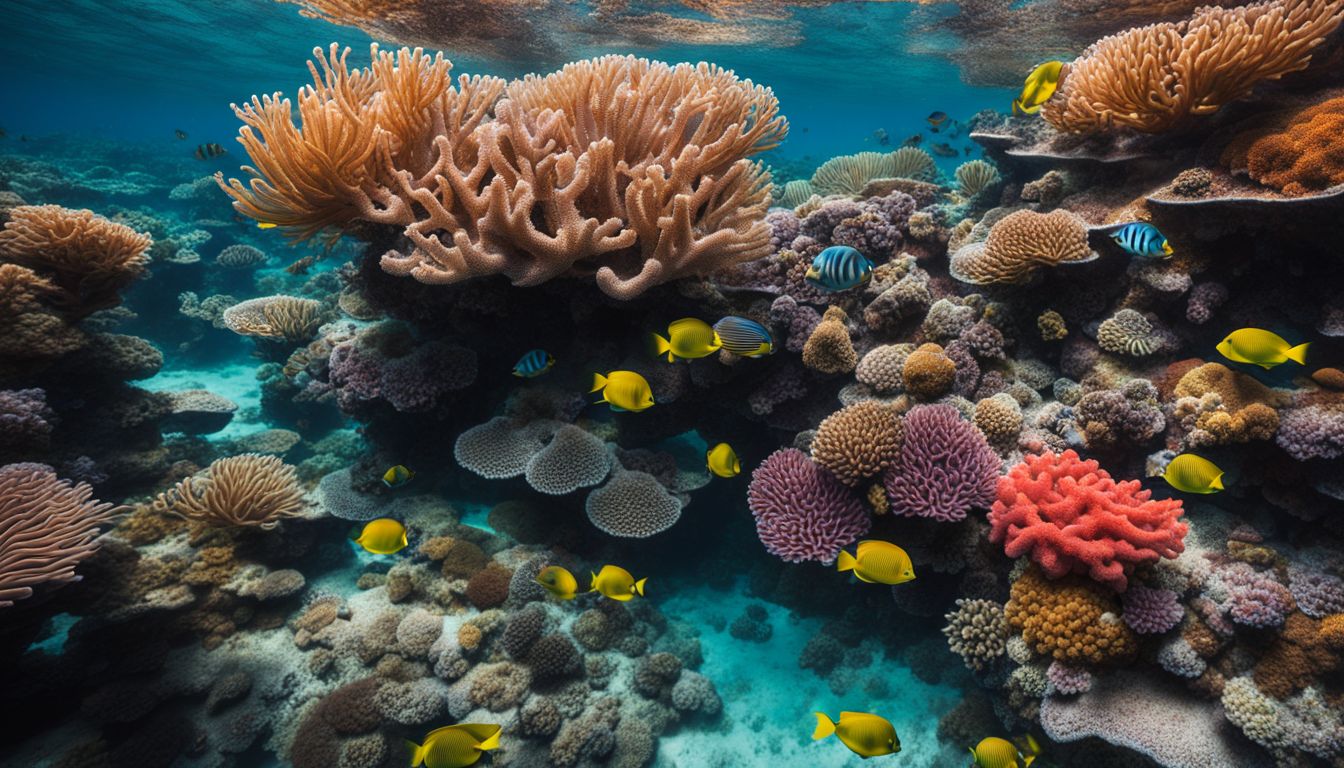
This location is characterized by a sandy bottom and limestone cliffs that shelter the bay from strong currents. Snorkelers often observe schools of blacktip reef sharks in the shallower sandy zones.
Swim toward the roped boundaries to find clearer water.
Pileh Lagoon
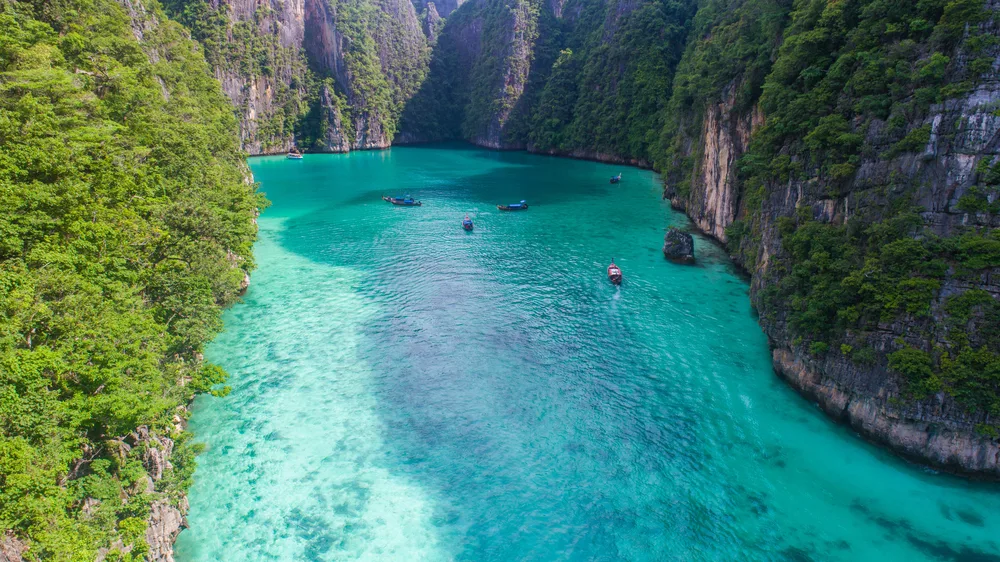
Known for its enclosed emerald waters, this lagoon is surrounded by high limestone walls. The snorkeling here focuses on the entrance where coral growth thrives on the submerged rock faces.
Observe the wall corals at the entrance during slack tide.
Loh Samah Bay
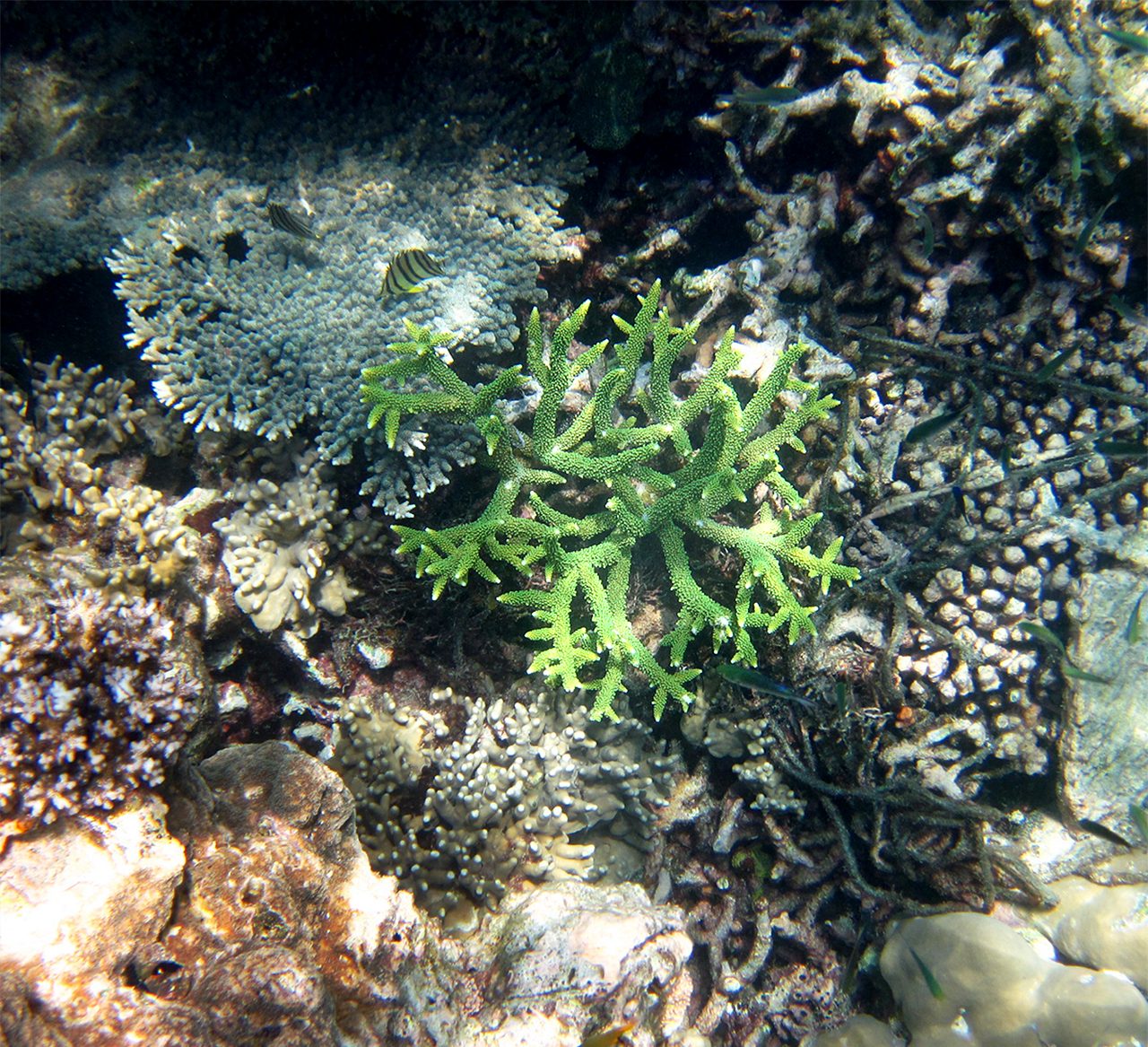
This bay offers a complex reef structure with a variety of hard and soft corals. It serves as a quieter alternative to more crowded areas, providing habitat for small reef fish.
Look for blue-spotted stingrays hidden in the reef crevices.
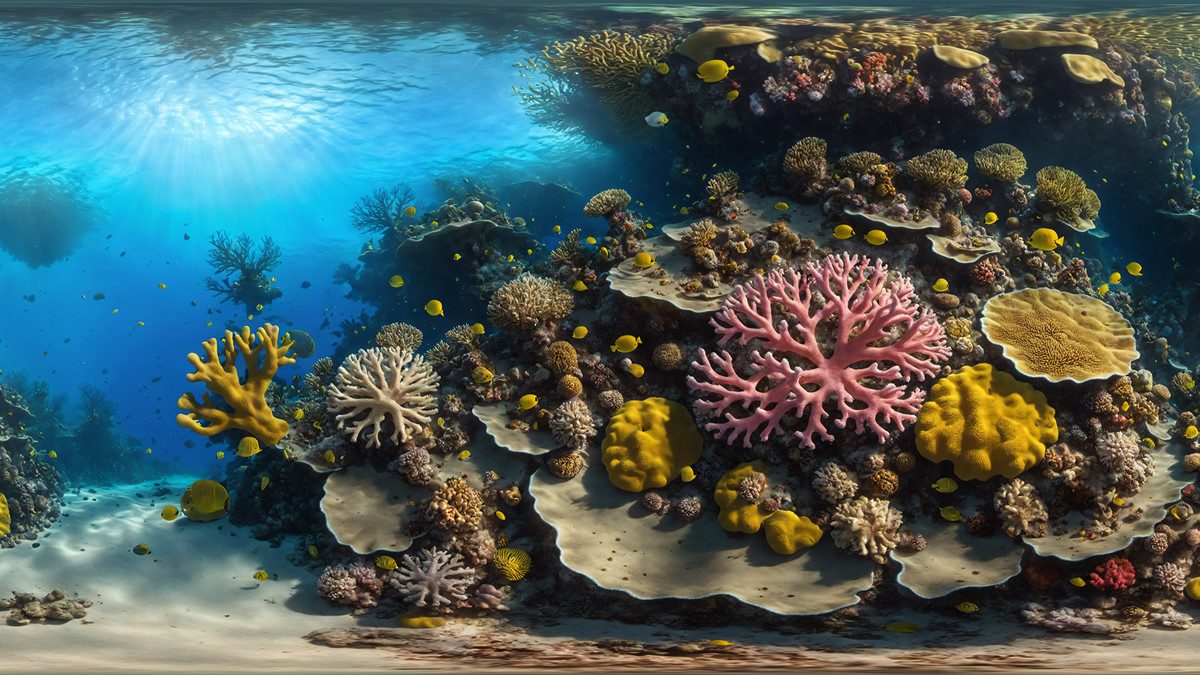
Hin Klang
This submerged reef is situated in the middle of the open sea and offers some of the most vibrant coral formations in the area. It is accessible primarily by boat and is suitable for those comfortable in deeper water.
Keep a distance from the reef top to avoid contact.
Rules for Visiting Phi Phi Snorkeling Spots
The Phi Phi Islands' coral reefs are protected national park marine areas. Following marine conservation guidelines keeps ecosystems intact for future visitors.
Do
- Keep a safe distance from coral formations and marine life
- Dispose of all waste on land in designated bins
- Use reef-safe sunscreen without oxybenzone or octinoxate
- Follow your guide's instructions on interaction boundaries
- Stay within designated snorkeling zones marked by buoys
- Rinse equipment with fresh water after use
Don't
- Touch, stand on, or kick coral with fins
- Feed fish or attempt to handle marine animals
- Leave plastic bottles, wrappers, or any litter in the water
- Wear chemical sunscreens that damage coral tissue
- Chase or corner sea turtles and other wildlife
- Anchor boats directly onto coral beds
Preparation Checklist for Phi Phi Snorkeling Spots
Prepare these essentials before heading out to the snorkeling sites around Phi Phi Islands.
-
Book your boat tour in advance — Operators fill quickly during peak season and early departure times offer calmer water.
-
Bring reef-safe sunscreen — Protect coral ecosystems while avoiding sunburn during extended time on the water.
-
Pack a waterproof bag — Keep valuables, phone, and dry clothes secure during boat transfers and water activities.
-
Wear or bring water shoes — Rocky entry points and occasional sea urchins make footwear essential at most sites.
-
Carry cash for the park fee — The 200 THB conservation fee for national park marine access is collected on arrival.
-
Bring your own mask if possible — Rental gear quality varies, and a properly fitted mask prevents leaks and fogging.
Check availability
Frequently asked questions about phi phi snorkeling spots
Everything you need to know about phi phi snorkeling spots